Auditing Inspiration: A Pre-Prompt Clearance Routine for AI Image References
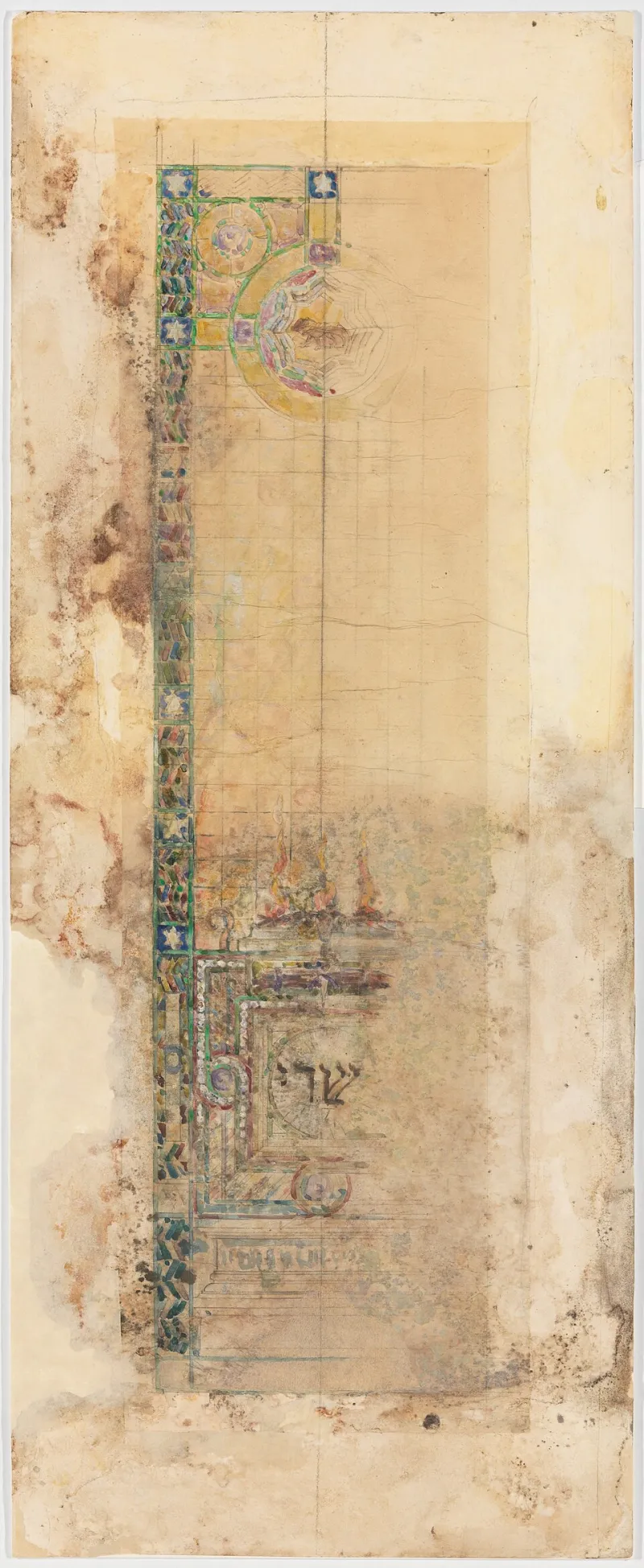
Photo: Louis Comfort Tiffany / Tiffany Studios, CC0, via Wikimedia Commons
AI image teams have learned to review outputs with care. They check hands, product edges, brand colors, and final-size artifacts. They compare variants, document approvals, and archive the chosen file. What many teams still do not review is the material that entered the model before the first prompt was written: the reference folder. That folder is where inspiration lives, but it is also where recognizable people, trademarks, copyrighted characters, and uncertain licenses quietly accumulate.
A pre-prompt clearance routine does not need to become a legal seminar. It needs to become a creative workflow step. The goal is simple: know what is on the reference shelf, why it is there, and whether it can be used before the prompt turns it into a deliverable.
The input blind spot
Output review catches visible problems. It does not catch provenance. A model can produce a clean, well-composed image from a reference set that includes a borrowed photograph of a model, a competitor's packaging, and a character silhouette pulled from a film still. The final render may look original, but the process still carries risk.
For US studios, that risk can surface in familiar ways: a right-of-publicity concern involving a recognizable person, a trademark complaint over a commercial look, a DMCA takedown notice, or a client procurement review that asks where the references came from. None of these outcomes requires a dramatic lawsuit to be expensive. A stalled campaign or a rejected handoff is enough.
The practical answer is not to stop collecting references. Reference gathering is how designers direct style, lighting, pose, and composition. The answer is to treat the shelf as an auditable surface.
Start with a shelf, not a prompt
Before prompting begins, create a reference-shelf log. A simple spreadsheet is sufficient, but the log should live with the project files so it can be reviewed later. Each entry should capture the file name or asset ID, the source, the date acquired, the creator or licensor if known, the stated license or terms, any recognizable elements, the role the reference plays in the prompt, the clearance status, the reviewer, and a short note.
The role column matters more than teams expect. A photograph used only to discuss shadow direction is different from a photograph used to guide a face, a garment, or a product silhouette. Clearance is not a property of an image in isolation; it is a property of the intended use.
Give every reference an ID before it enters a prompt. That ID should follow the image into the prompt library, the render notes, and the approval file. When a client asks why a particular composition was chosen, the team can trace the decision without reconstructing a folder from memory.
Four flags that stop a reference
A useful shelf review does not require a legal opinion on every file. It requires consistent flags. The first flag is any recognizable person. That includes models, public figures, employees, and people in street photography. Even when the face is not used directly, a reference that depends on a specific person's likeness deserves a status review.
The second flag is trademarks and trade dress. Logos, distinctive packaging, storefronts, product shapes, and brand-specific colors can all function as source identifiers. A reference may be useful for lighting while still being unsuitable as a compositional guide for a commercial product render.
The third flag is copyrighted characters and artwork. A character silhouette, a recognizable illustration style, a poster, or a still from a film can be a powerful mood reference and a poor input for a client-facing image set. The flag does not mean the reference is forbidden; it means the team must record how it is being used and whether that use is acceptable.
The fourth flag is unclear provenance. A file downloaded from a mood board with no source link, a screenshot from a social post, or an image from an unverified stock aggregation site belongs in a different category from a licensed asset with a receipt. Unclear provenance should not block all inspiration, but it should block silent use.
Assign statuses, not guesses
A four-status system keeps the review practical. Cleared means the reference has a known source and acceptable terms for the intended role. Conditional means the reference can be used for a narrow purpose, such as lighting or texture, but not for identity, product shape, or recognizable composition. Blocked means the reference should not enter the prompt set at all. Replace means the team has identified the reference's function and found a safer substitute.
These statuses should be visible before prompting, not added after a client question. A designer who knows a reference is conditional can still use it to discuss contrast ratios or camera angle. The status simply prevents the reference from drifting into a role it cannot support.
Keep inspiration moving with substitutions
Blocking a reference can feel like blocking creativity. It should not. The more useful move is to replace the function, not the image. If a blocked reference was providing composition, use an original thumbnail sketch or a public-domain photograph. If it was providing color, use a swatch sheet. If it was providing lighting, use a diagram. If it was providing pose, use a mannequin or an openly licensed figure study.
This substitution habit keeps the reference shelf honest without flattening the art direction. It also gives the prompt a cleaner job. The model is asked to interpret a described function rather than imitate a specific protected surface.
Make the shelf part of the handoff
A reference-shelf review takes fifteen minutes at kickoff and a few minutes at each prompt revision. Attach the log to the prompt version. Record reference IDs in the render notes. When the project closes, archive the log with the approved images. The next team can see not only what was made, but what shaped it.
At Seedream 40, the editorial view is that rights hygiene belongs in the creative workflow, not in a separate compliance silo. Designers should keep collecting references, but they should clear the shelf before the prompt turns inspiration into a deliverable. The routine is not a legal opinion, and unusual cases should still go to counsel. It is a practical habit that protects the work without slowing the studio down.